


Scotland need a clean break, not a comfort hire, and the next appointment should be judged on whether he can reset the national team’s identity rather than merely preserve it. Steve Clarke’s departure, after Scotland’s World Cup exit, has opened the door to a proper reset ahead of the September Nations League double-header, and the job now demands urgency as much as imagination.
The shape of the debate
The names being floated tell their own story: Alex Neil, David Moyes, John McGlynn, Neil McCann, Scot Gemmill, Steven Naismith, Barry Ferguson and Steven Pressley have all been mentioned in the conversation, but not all candidates carry the same weight. Some are serious options, some are convenient media filler, and some feel like they are there because Scotland’s coaching debate often recycles familiar surnames rather than fresh ideas.
David Moyes and Ange Postecoglou should be the top two on any real shortlist. Moyes offers experience, authority and a proven ability to organise a team, while Postecoglou offers a bolder footballing reset, knowledge of the Scottish game, and international experience from his time with Australia.
Why Ange first?
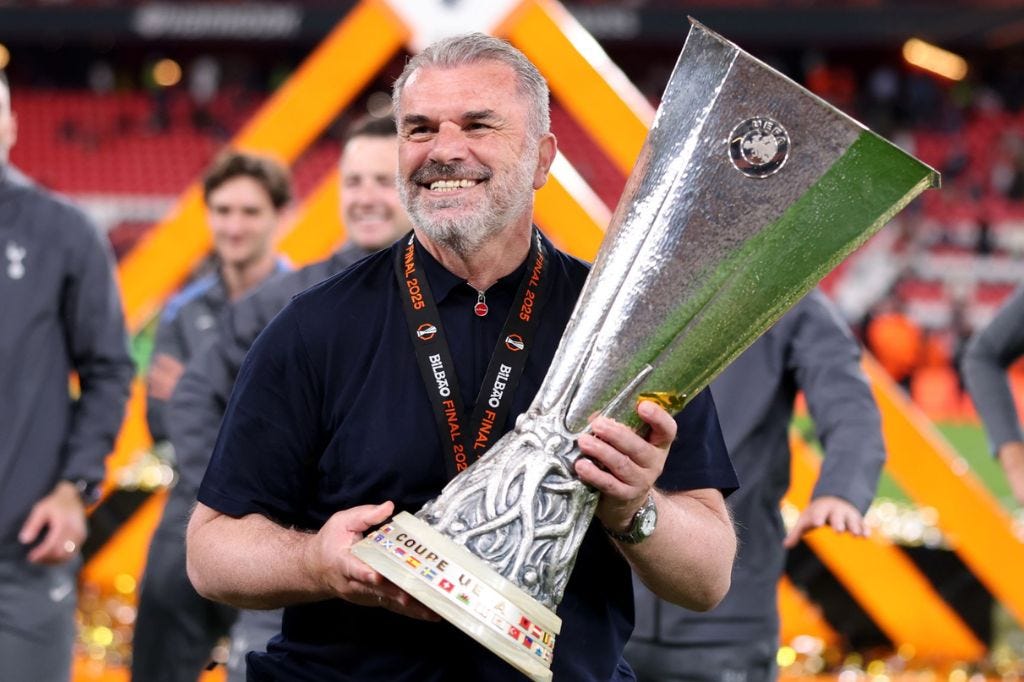
If Scotland are serious about ripping up the script, Ange Postecoglou is the most compelling candidate. He knows the Scottish and English football landscapes, he has already managed at the elite level in Britain, and he has worked in international football with Australia, which matters because the national-team job is not a club job with extra downtime - it is a short-cycle, high-pressure role where clarity matters more than endless complexity.
His recent spell at Nottingham Forest may have been a horror show, but one mistake does not erase the bigger picture especially given the Europa League success he had at Tottenham - despite their Premier League record. The key point is that he is available now, he has a clear footballing identity, and Scotland need a manager who can arrive quickly and impose an idea rather than spend six months explaining why the transition period is still a transition.
Moyes as the safety net
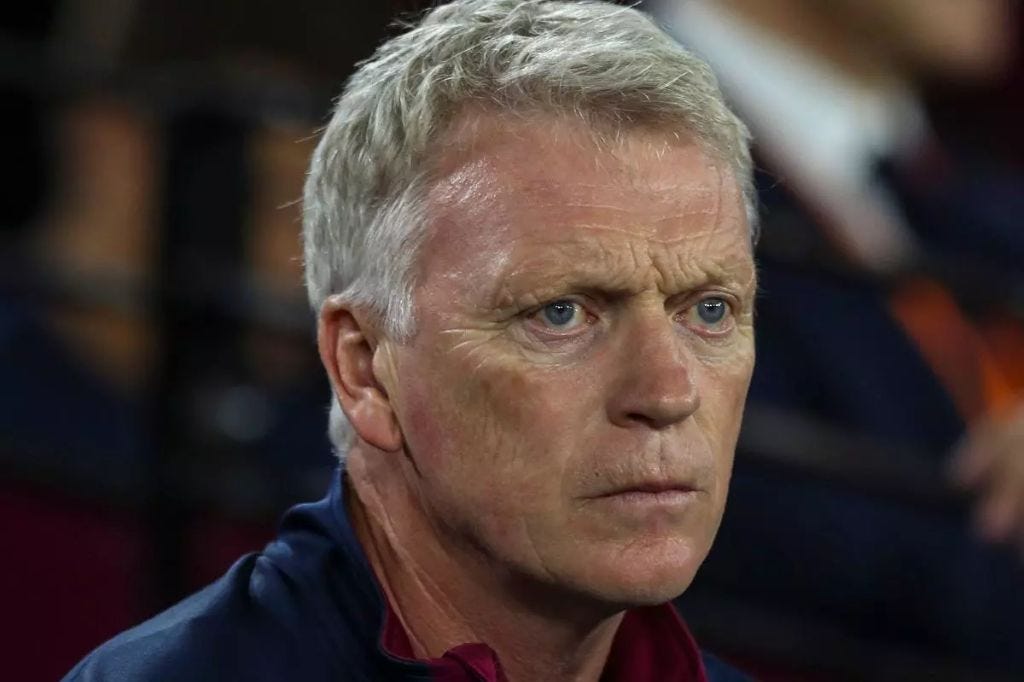
David Moyes is the obvious conservative pick, and there is nothing wrong with that if the Scottish FA wants stability with a hard edge. With around a year left on his Everton contract, he sits in the category of a realistic elite-level operator who could come in, restore standards and make Scotland harder to beat almost immediately.
He would not be the thrilling appointment, but he might be the sensible one. Scotland have spent enough years being told to be patient while waiting for the stars to align, and Moyes at least gives the feeling of a manager who would demand order, work ethic and accountability from day one.
The wildcard
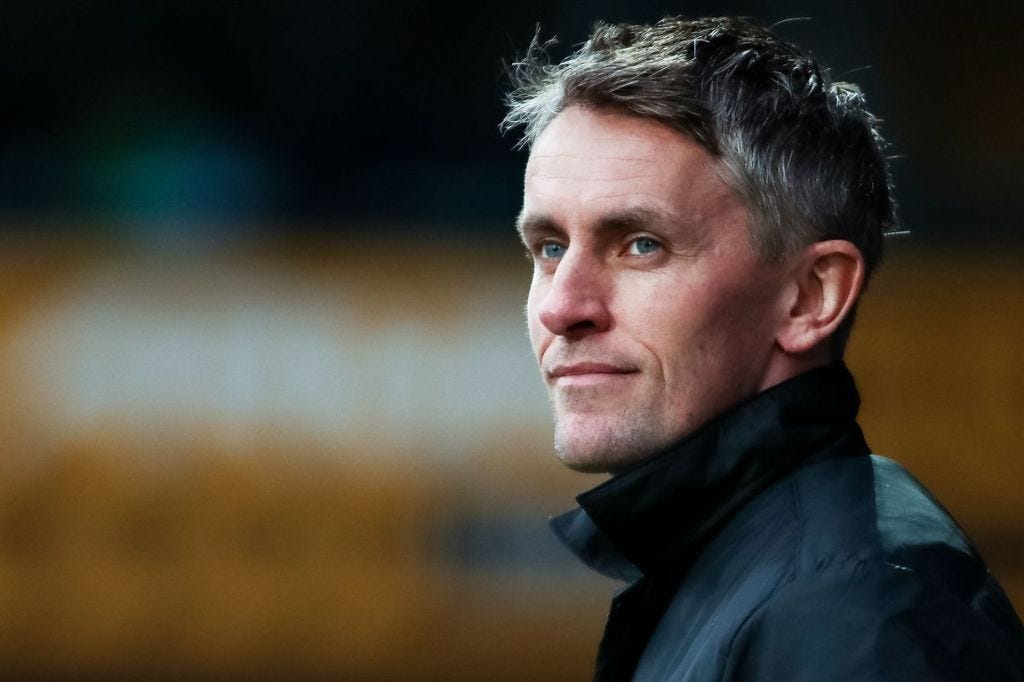
Kieran McKenna is the curveball, and he is worth serious consideration even if he is not the headline-grabber. His profile fits the modern international job in a way that some bigger names do not, because he offers structure, control and tactical discipline without the all-or-nothing volatility that can sink a national team.
There is, however, a practical issue, if he is appointed within 12 months of leaving Ipswich, compensation may still be involved. That does not make him impossible, but it does mean Scotland would need to weigh the footballing upside against the financial and contractual reality of pulling him in early.
The noise candidates
The rest of the field feels much shakier. Neil McCann, Steven Naismith, Barry Ferguson and Steven Pressley are the kind of names that often travel well in column inches and betting chatter, but they do not automatically become convincing simply because they are familiar to Scottish audiences.
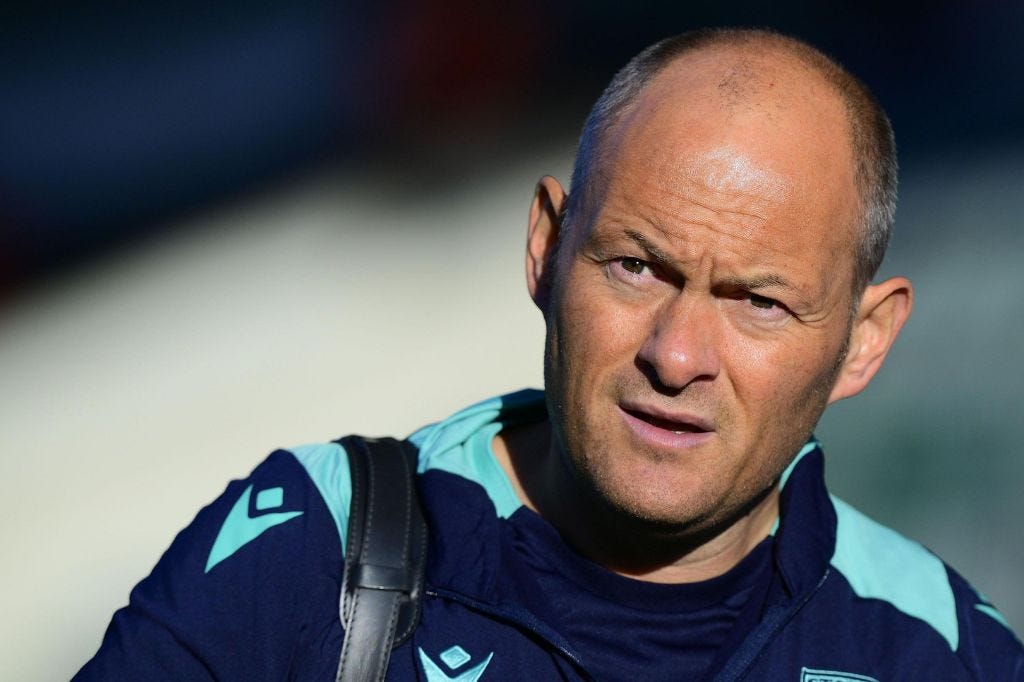
John McGlynn and Alex Neil deserve more respect than some of the louder social-media takes allow, but they are still different sorts of appointments from the Postecoglou-Moyes-McKenna tier. They may be capable coaches, yet the scale of this reset means Scotland should be looking for a figure who changes the mood, the structure and the standard all at once.
Time to clear space
Whoever comes in has to rip up the script and make room for a new generation. That means paying due tribute to the old guard, but also accepting that Scotland cannot keep leaning on the same names, the same habits and the same comfort zones if they want different results.
It also means the whole coaching structure needs a shake-up, not just the senior dugout. The next men’s manager should be working more closely and more coherently with the Under-21 setup, rather than inheriting a system that exists in parallel with the national team instead of feeding it properly.
Gemmill question
Scot Gemmill is the most obvious structural talking point, because the Under-21s have not delivered enough to justify indefinite continuity. The case for change is not really about personalities; it is about outputs, and when a youth pathway is not producing meaningful progress, the country is entitled to ask why the same setup remains in place after a decade.
If Scotland want a genuine reset, then the senior appointment and the Under-21 structure should be discussed together. A new boss should not just be parachuted in to inherit the old architecture; he should help redesign it so that the pathway actually feeds the national team instead of functioning as a protected island.
The verdict
If the question is who should be top of the list, in my opinion, it should be Ange Postecoglou, with David Moyes just behind him and Kieran McKenna lurking as the intriguing modern alternative. Postecoglou gives Scotland the biggest tactical and cultural shock to the system, Moyes gives them authority and control, and McKenna gives them a progressive long-term football brain despite the compensation complication.
Scotland do not need another managerial compromise dressed up as consensus. They need a fresh start, a sharper structure and a coach brave enough to change the atmosphere before he even changes the team, and help guide us to major tournaments where we don’t hide behind fear and past failures.