


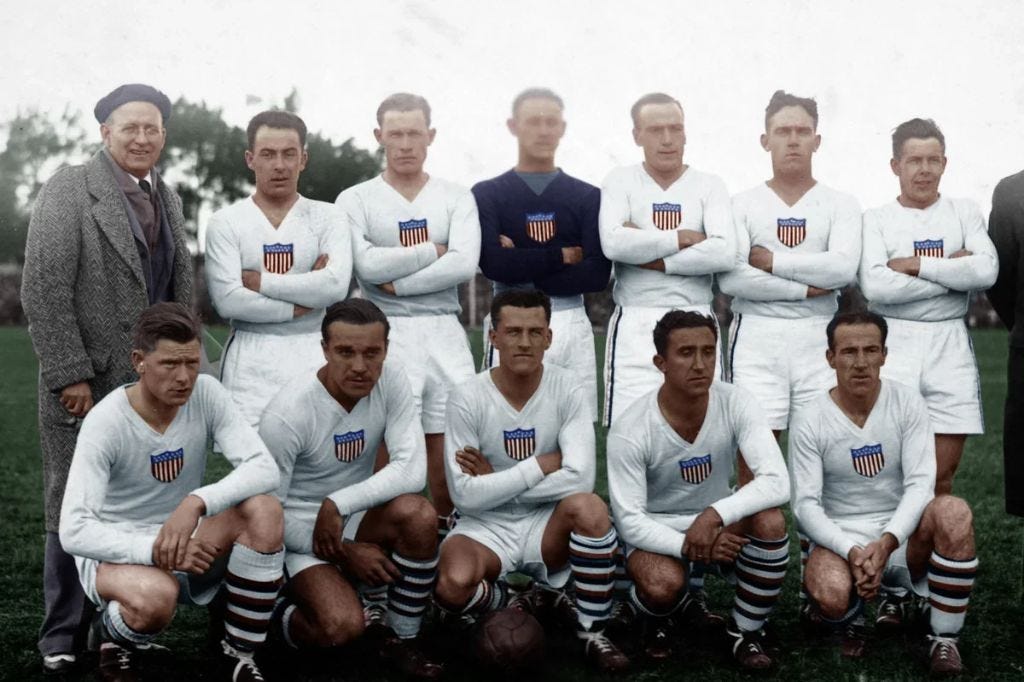
Scotland has produced many footballers who went on to represent other nations, usually because of family connections, childhood moves or eligibility through a parent or grandparent. From modern Socceroos stars to Ireland’s golden generation and the pioneering Scottish-Americans of the 1930 World Cup, these players have made a lasting impact away from the Scotland national team.
Martin Boyle - Australia
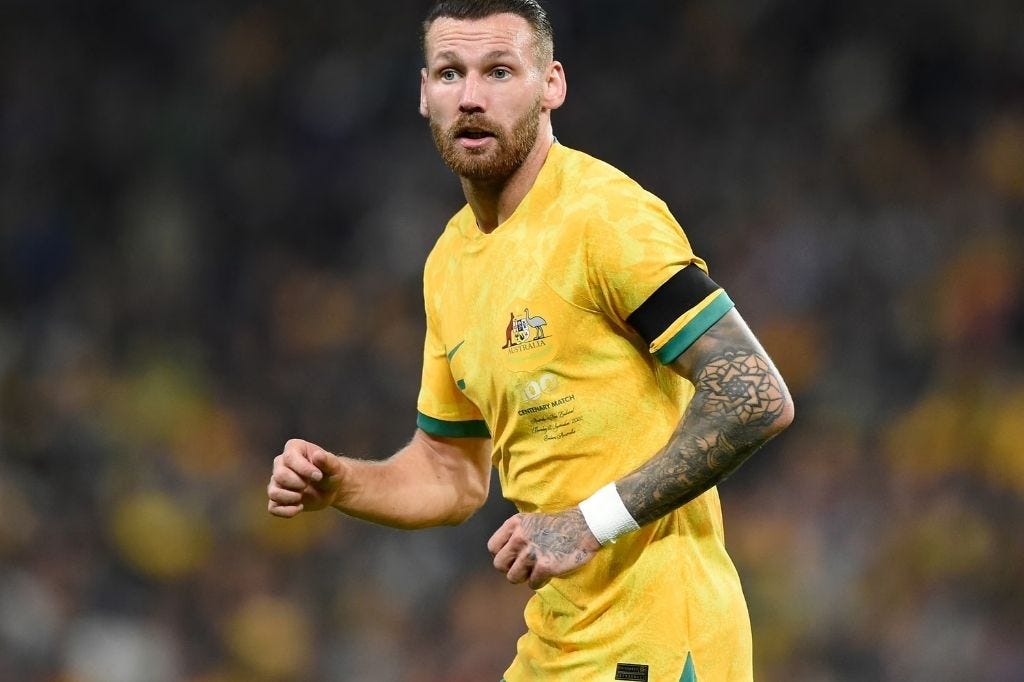
Born in Aberdeen, Martin Boyle developed through the Scottish football system with Montrose, Dundee and current club Hibernian. A fast, direct winger capable of playing on either flank or through the middle, he became one of Hibernian’s most effective attacking players, scoring 60 goals in nearly 250 appearances during his first major spell at the club.
Although Boyle represented Scotland at youth level, he qualified for Australia through his father, who was born in Sydney. He made his Socceroos debut against South Korea in 2018 and quickly announced himself with two goals and an assist in his first start. Boyle has since become a regular Australia international and was part of the squad that qualified for the 2022 World Cup, although injury prevented him from playing in the tournament. He was not selected for the final Australian World Cup squad this summer.
Harry Souttar - Australia
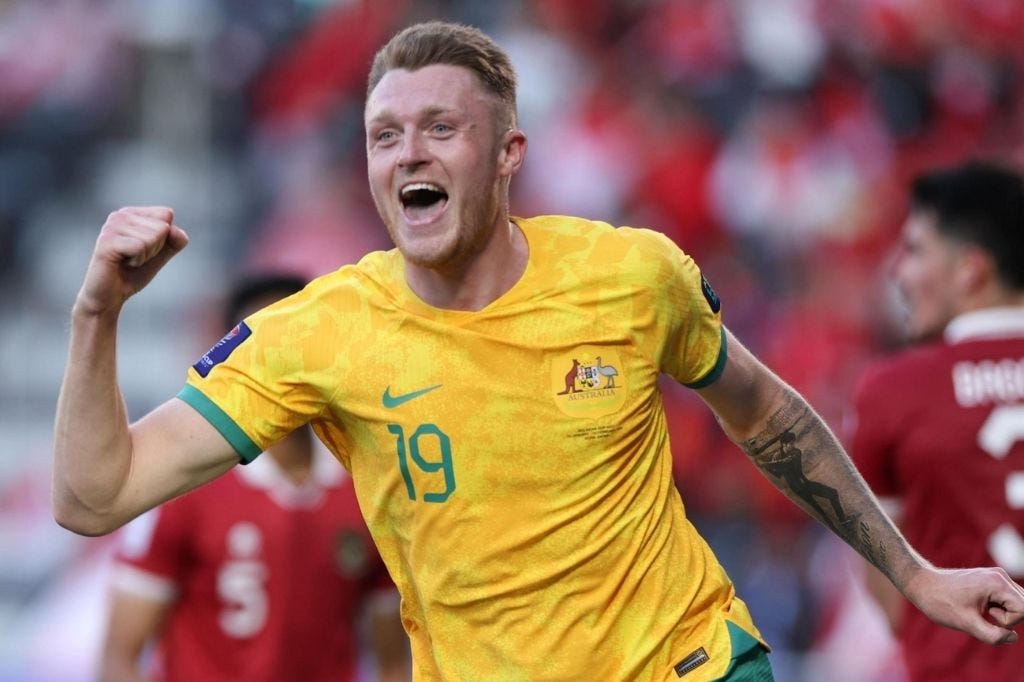
Harry Souttar was born in Aberdeen and raised in the small Aberdeenshire village of Luthermuir. The centre-back came through the Dundee United academy after beginning his football education in Scotland and represented Scotland at under-17 level. However, he was eligible for Australia through his mother, who was born in Western Australia, and chose to represent the Socceroos at senior level. Souttar made his Australia debut against Nepal in 2019 and scored twice in a 5–0 World Cup qualifying victory. His height, strength and ability in the air have made him a major defensive presence for Australia, particularly during the team’s run to the last 16 of the 2022 World Cup. He played for the Socceroos in this summer’s World Cup in America, while his brother John was part of Scotland’s World Cup squad.
Ray Houghton - Republic of Ireland
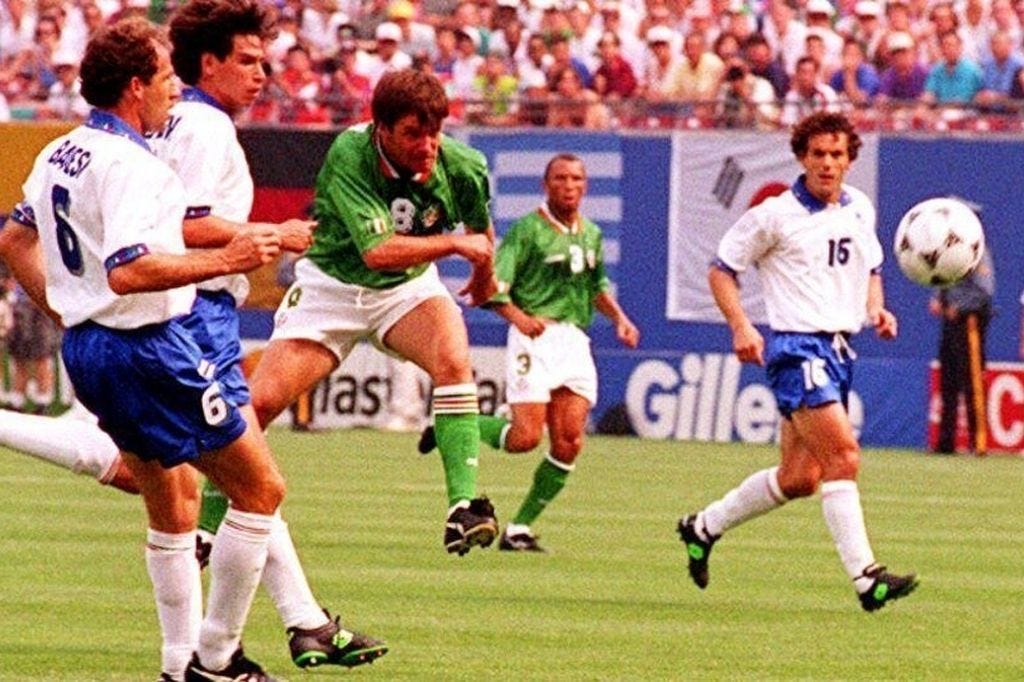
Born in Glasgow, Houghton moved to London with his family when he was ten. He qualified to play for the Republic of Ireland through his father, who was from County Donegal, and made his international debut in 1986.
A technically gifted and energetic midfielder, Houghton enjoyed a distinguished club career with Oxford United, Liverpool, Aston Villa and Crystal Palace.
He became an Irish footballing hero by scoring the winning goal against England at the 1988 European Championship. Six years later, he again struck the decisive goal when Ireland defeated Italy at the 1994 World Cup. Houghton won 73 caps and scored six international goals for Ireland, becoming one of the most celebrated Scottish-born players in the country’s history.
Aiden McGeady - Republic of Ireland
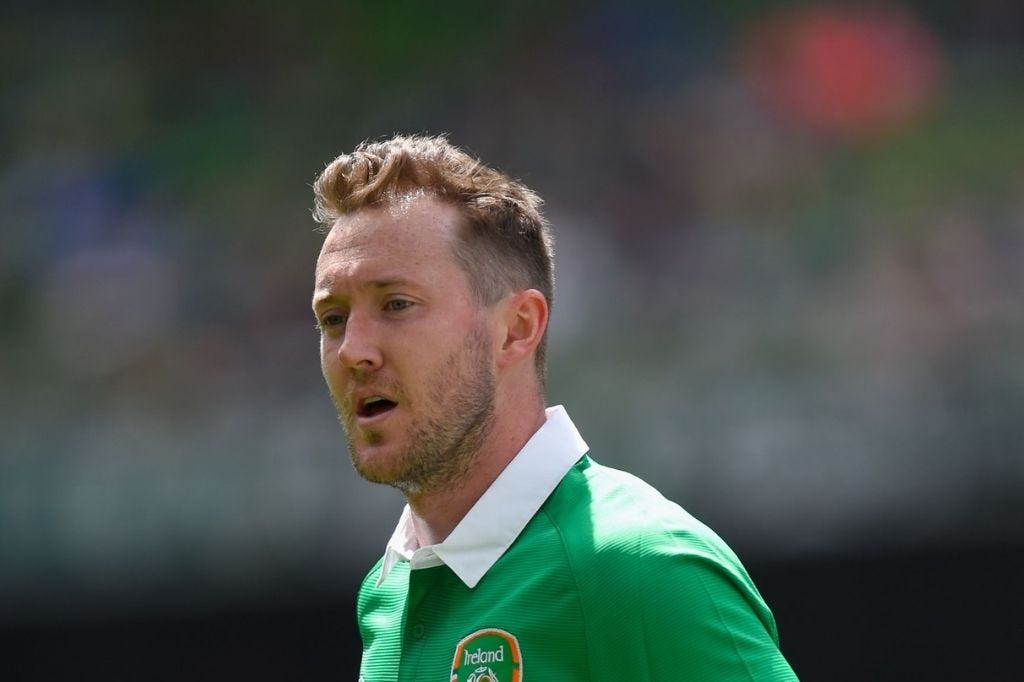
Glasgow-born Aiden McGeady came through Celtic’s youth academy and established himself as an exciting attacking midfielder and winger at Parkhead. Born in 1986, he was eligible to represent the Republic of Ireland through his Irish heritage, including his Donegal family connections. However, his decision to play for Ireland saw a huge backlash from supporters across Scotland as he faced significant abuse at numerous grounds.
McGeady made his senior international debut against Jamaica in 2004 and went on to win 93 caps, scoring five goals. His dribbling ability, close control and willingness to attack defenders made him a regular feature for Ireland over more than a decade. At club level, after leaving Celtic he would go on to play for Spartak Moscow, Everton, Sheffield Wednesday, Preston North End, Sunderland, Hibernian, and Ayr United.
Internationally he represented Ireland at major tournaments including Euro 2012 and Euro 2016, before retiring from the game in 2024.
Bernie Slaven - Republic of Ireland
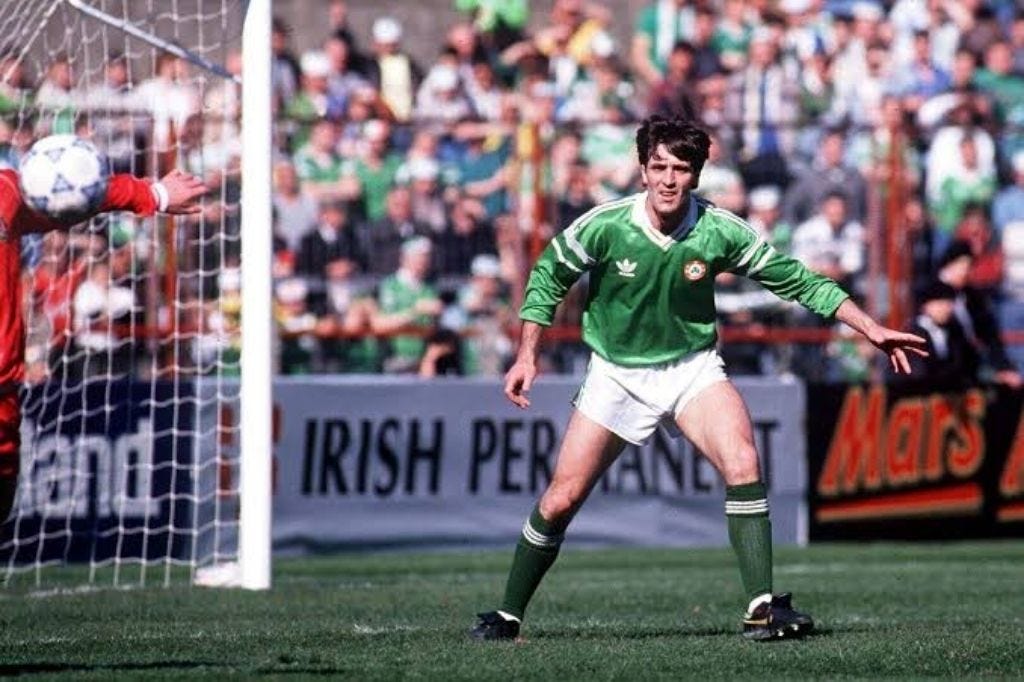
Born in Paisley, Bernie Slaven began his professional career in Scottish football and attracted attention after scoring 31 goals for Albion Rovers during the 1984–85 season. His performances earned him a move to Middlesbrough, where he became a hugely popular forward, scoring 147 goals in 382 appearances.
Slaven qualified for the Republic of Ireland through his family background and played under manager Jack Charlton, earning seven international caps. Although his Ireland career was relatively brief, he was part of the wider generation that helped establish the country as a major force in European football during the late 1980s and early 1990s. His sharp finishing and tireless movement made him a memorable figure for both Middlesbrough and Irish supporters.
James McCarthy - Republic of Ireland
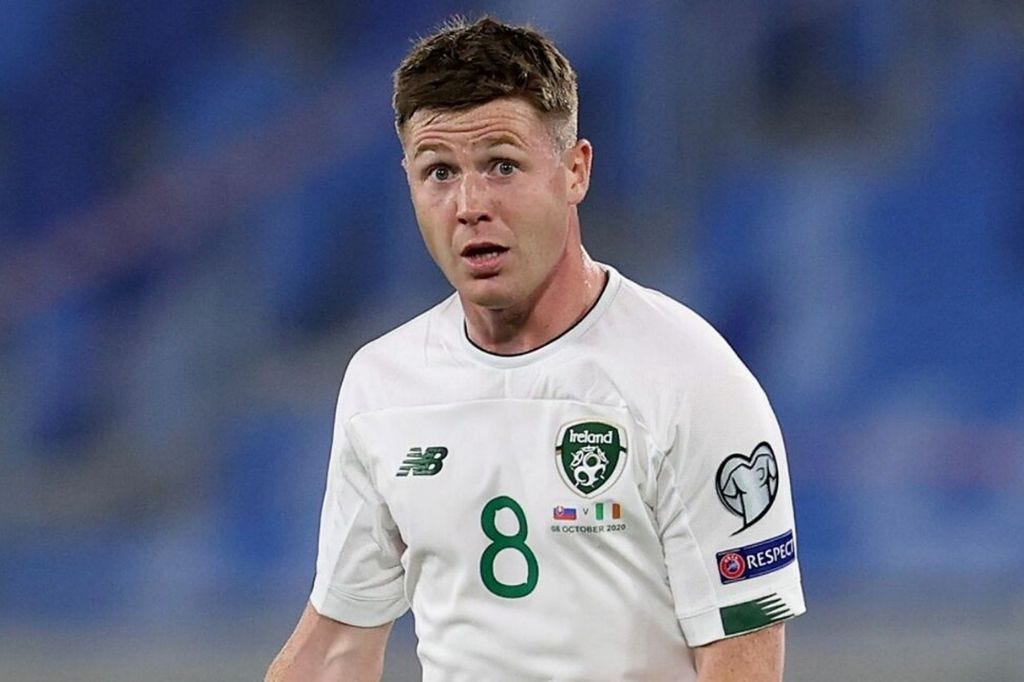
Born and raised in Glasgow, McCarthy began his senior career with Hamilton Academical. Despite growing up entirely in Scotland, he chose to represent the Republic of Ireland because of his Irish ancestry, particularly through his grandfather from County Donegal. A composed and hard-working central midfielder, McCarthy made his senior Ireland debut in 2010 and became an important part of the team during the following decade. He was selected for Ireland’s Euro 2012 squad and later played at Euro 2016.
At club level, McCarthy earned recognition in England with Wigan Athletic and Everton before returning to Scotland to join Celtic.
Charlie Gallagher - Republic of Ireland
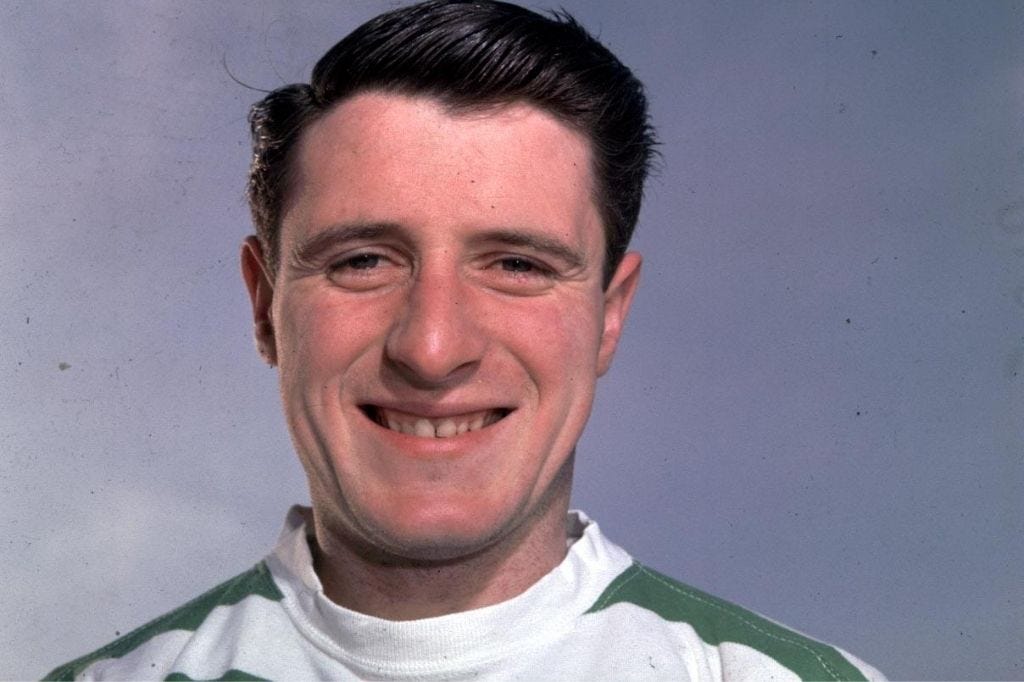
Gallagher was born in Glasgow to parents from County Donegal and became the first Scottish-born player to represent the Republic of Ireland. A technically accomplished inside forward, Gallagher spent the majority of his club career with Celtic, where he won major domestic honours and was part of the club’s historic European Cup-winning era in 1967. Before moving to Dumbarton.
He made his Ireland debut against Turkey in Ankara in 1967 and won two senior caps. Gallagher’s international career was short, but his place in Irish football history is significant because he helped establish a path for other Scottish-born players with Irish family connections. He was also widely respected at Celtic, where his creativity, passing and close control made him a popular player during one of the club’s greatest periods.
Scott Arfield - Canada
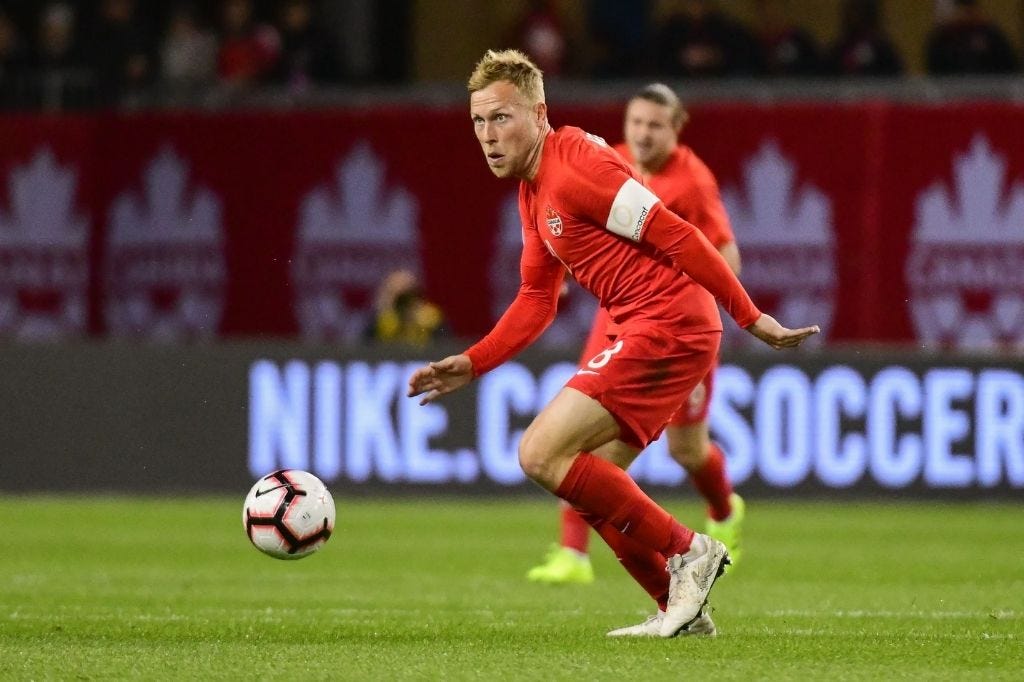
Born and raised in Livingston, Arfield developed his career in Scotland with Falkirk and Rangers before moving to England, where he played for Huddersfield Town and Burnley. Arfield qualified for Canada through his father, who was born in Toronto, and made his senior debut for the Canadian national team in 2016. His experience in the Scottish Premiership and English Premier League gave Canada an experienced and competitive midfielder who could contribute both defensively and in attack.
Arfield later returned to Rangers, where he became a popular figure, while continuing to represent Canada internationally.
Tommy Coyne - Republic of Ireland
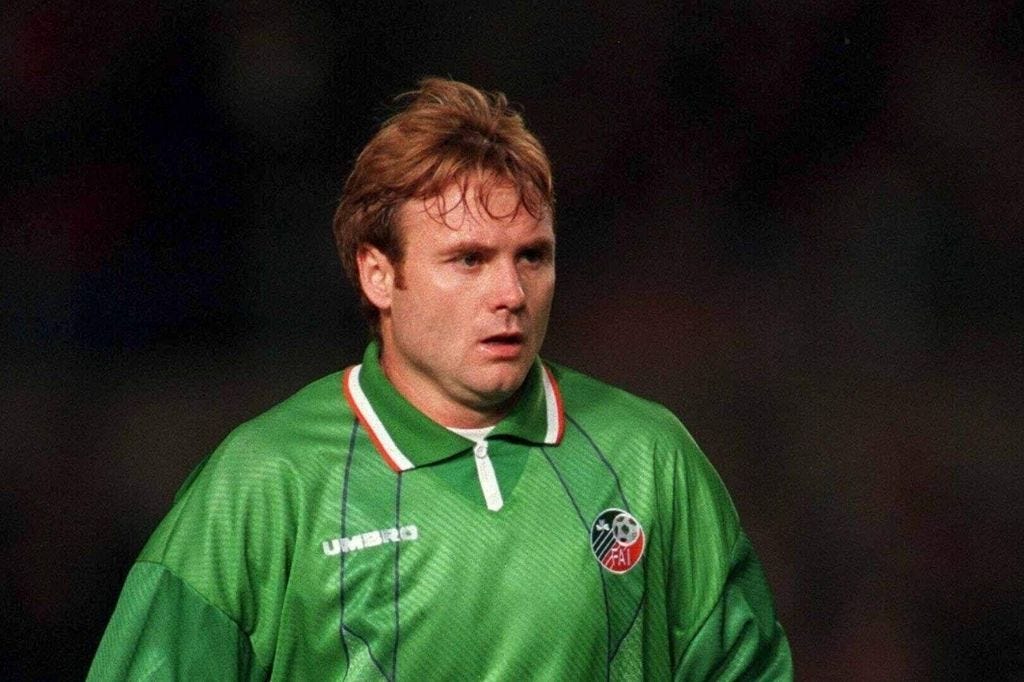
Born in Govan, Coyne was a powerful and productive striker whose career was closely associated with Scottish football. He began with Clydebank before playing for Dundee United, Dundee, Celtic and Motherwell, where he scored 59 goals in 132 league appearances.
Coyne qualified for the Republic of Ireland through his Irish ancestry and won 22 caps between 1992 and 1997. He was included in Ireland’s squad for the 1994 World Cup in the United States, an achievement that represented the peak of his international career. Known for his physical strength, intelligent movement and eye for goal, Coyne was one of several Glasgow-born forwards who made an important contribution to Ireland’s international teams during the 1990s.
The Scottish-born 1930 USA World Cup players
The much-heralded 1930 United States World Cup squad included five players born in Scotland - Andy Auld, Jim Brown, Jimmy Gallagher, Bart McGhee and Alexander “Sandy” Wood. They were part of the American team that reached the semi-finals in Uruguay and finished third, to this day the United States’ best-ever World Cup result.
Auld, born in Stevenston, was a highly regarded midfielder who played every minute of the USA’s three matches. Brown came from Kilmarnock, Gallagher from Kirkintilloch, McGhee from Edinburgh and Wood from Lochgelly in Fife. McGhee scored against Belgium in the opening match, making him the scorer of the second goal in World Cup history, while all five Scots played in the semi-final against Argentina.
The group’s stories also reflect the international nature of football in the United States during the early twentieth century. McGhee and Gallagher had moved to America with their families as children, Wood arrived as a teenager, Auld emigrated in his early twenties, and Brown moved across the Atlantic in his late teens. They built their careers in American soccer and were selected on the basis of their footballing lives in the United States, rather than simply being imported professionals. Their contribution helped the USA achieve an extraordinary result at the first World Cup and remains an important part of both American and Scottish football history.